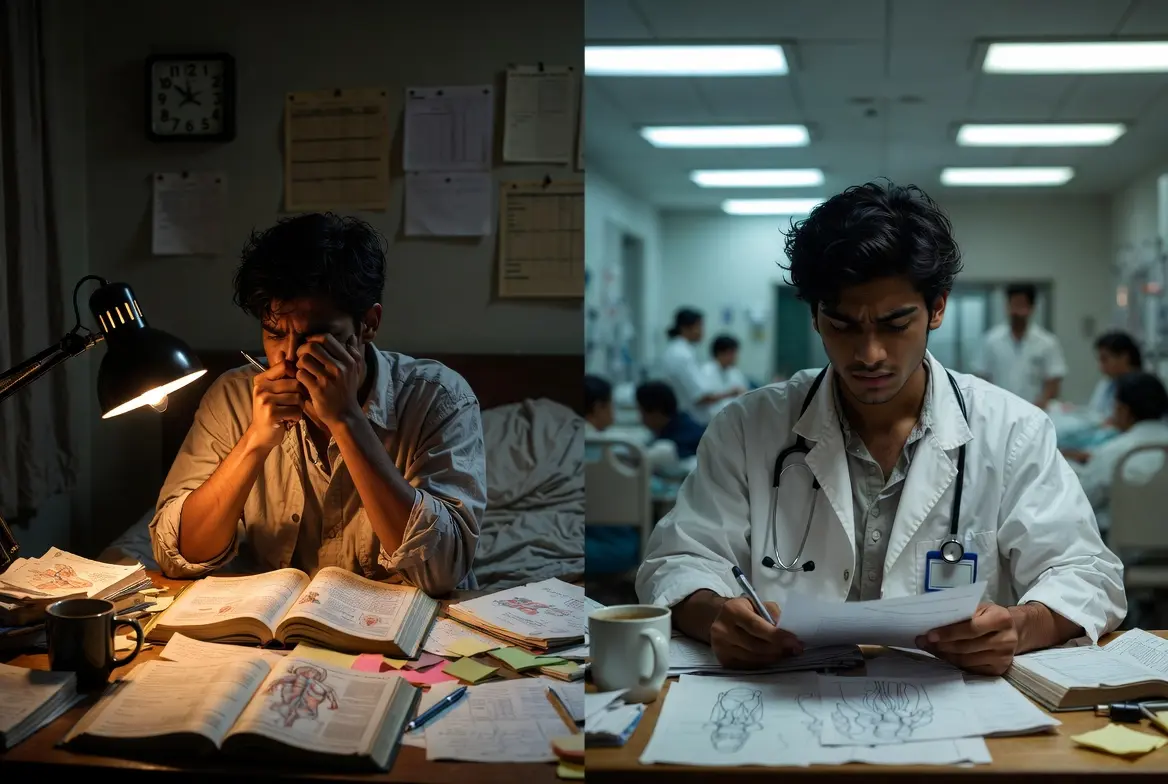
This is a solid, no-nonsense guide for MBBS students—especially useful for first-years in places like Bangladesh, where the pressure from professional exams (written + viva) is real, and Anatomy can feel like a nightmare at the start. The core message is spot on: most students don’t fail due to lack of intelligence or effort; they fail due to ineffective, passive studying (endless reading/highlighting without testing retention).
Let’s be honest for a second. The medical admission question was very hard. It’s confusing, overwhelming, sometimes boring… and yeah, sometimes you’ll question why you even started. I’ve seen people sit with books for 10 hours and still blank out in exams. And then there are those annoying toppers who study less. But somehow, remember everything. MBBS Every Student needs to don’t fail because they’re not smart. They fail because they study the wrong way. Let’s break it down properly. No fluff.
What’s Actually the Best Way to Study MBBS?
Short answer (featured snippet style):
Use active recall, spaced repetition, and clinical linking.
If you’re reading and highlighting… you’re wasting time.
Yeah. That’s the truth.
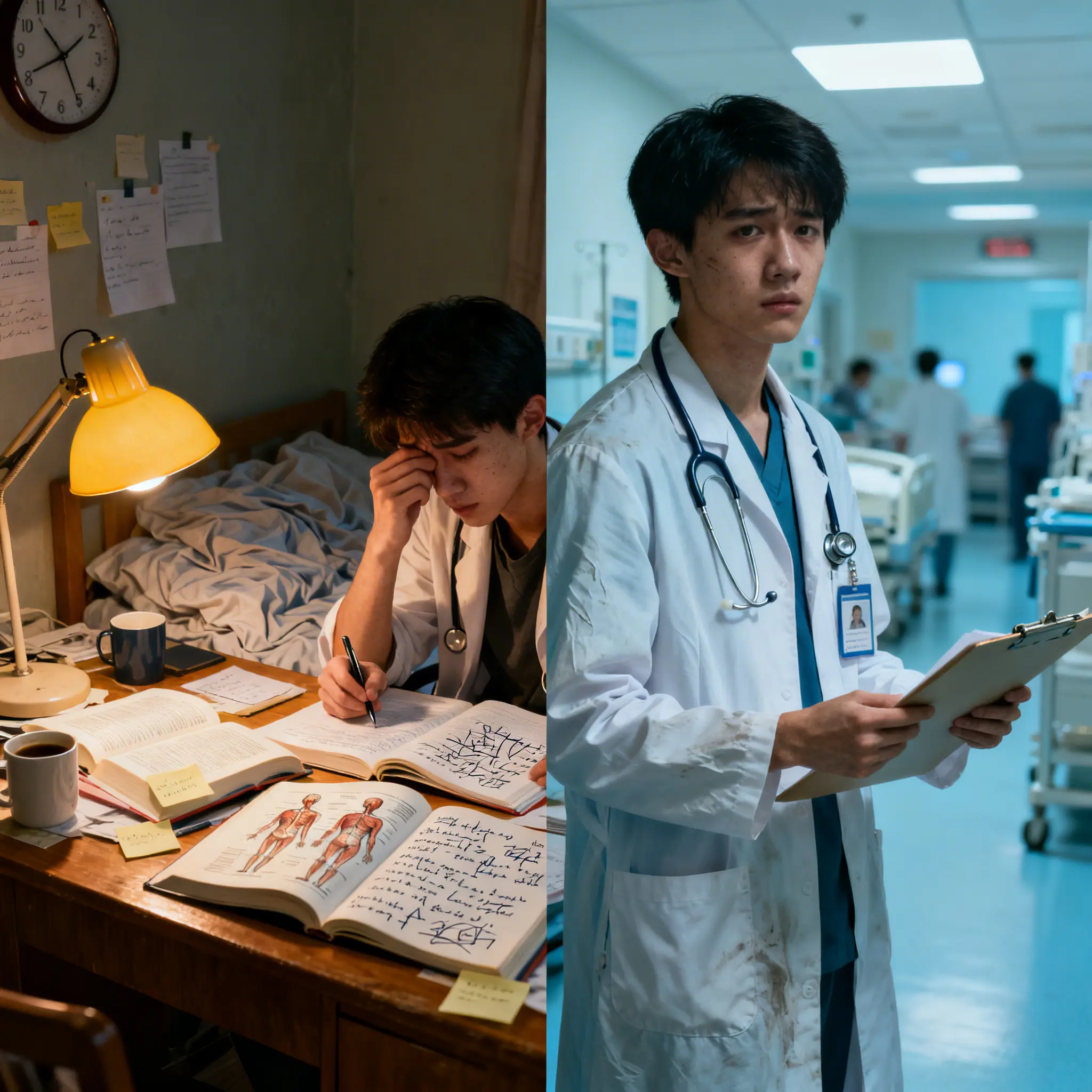
The “3R” System (This Changes Everything)
I didn’t come up with this out of nowhere. It’s basically what top students do… they just don’t say it clearly.
1. Read (But Don’t Get Comfortable)
Read to understand, not to feel productive.
If you’re nodding while reading… dangerous sign. You’re probably not retaining much.
2. Recall (This Is Where the Magic Happens)
Close the book.
Now try to write or say what you just studied.
Can’t remember? Good. That struggle is literally how memory builds.
Awkward, frustrating… but effective.
3. Relate (Think Like a Doctor, Not a Student)
Ask yourself:
- “Where does this show up in real life?”
- “What patient would have this?”
If you skip this step, you’ll forget everything after exams. Almost guaranteed.
Research backs this up too (not just vibes):
https://www.ncbi.nlm.nih.gov/pmc/articles/PMC4492928/
How Should First-Year MBBS Students Study Without Losing Their Mind?
First year hits hard. Especially Anatomy.
Like… suddenly you’re staring at diagrams that look like spaghetti.
Anatomy
Here’s where most people mess up:
They try to read Anatomy.
Nope. Bad move.
Do this instead:
- Draw. A lot. Even ugly drawings work.
- Label from memory (not while looking)
- Revise after 2–3 days (seriously, don’t skip this)
There’s this thing I call the 72-hour rule:
- Day 1 → Learn
- Day 3 → Revise
- Day 7 → Test yourself
Skip this… and yeah, you’ll forget everything before exams.
Physiology
If you’re memorizing Physiology, you’re doing it wrong.
This subject is about processes.
Try this:
- Write out the mechanisms step by step
- Explain it like you’re teaching a junior
If you can’t explain it simply. You don’t understand it yet.
Biochemistry
Let’s be real. It’s a lot.
But instead of panicking:
- Focus on clinical connections (like diabetes)
- Use mnemonics (yes, even silly ones)
Honestly, weird mnemonics stick better. Don’t overthink it.
How Do You Study Clinical Subjects Without Feeling Lost?
This is where things get interesting.
Also, where many students who quietly struggle.
The “Clinical Loop” (Super Underrated)
Here’s what actually works:
- Study the disease
- See a patient (or case)
- Come back and revise
- Try to apply it
Repeat.
That loop? That’s how real understanding builds.
And a quick reality check:
Students who just stand quietly during ward rounds…
They don’t improve much.
You have to ask questions. Even if you feel dumb. Especially then.
Backed by medical education research:
https://www.ncbi.nlm.nih.gov/pmc/articles/PMC3505406/
How Many Hours Should You Actually Study?
Let’s kill the myth.
Real answer:
5–7 focused hours are enough.
Not 12. Not 14. That’s just burnout waiting to happen.
A Simple Daily Flow (Nothing Fancy)
|
Time |
What to Do |
|
Morning |
Learn new topics |
|
Afternoon |
Recall + MCQs |
|
Evening |
Revision |
|
Night |
Light review |
And here’s the uncomfortable truth:
If you can’t recall it, you didn’t learn it.
No matter how long you sat with the book.
Active vs Passive Studying
|
Method |
What Happens |
|
Reading again and again |
Feels good, doesn’t work |
|
Highlighting |
Looks productive, doesn’t it |
|
Active recall |
Hard, but effective |
|
Spaced repetition |
Even better |
|
Teaching someone |
Best level |
Most students stay in the first two rows.
That’s the problem.
Advanced Tricks
Not many people talk about this.
Mix Subjects (Interleaving)
Don’t study one subject for 6 hours straight.
Switch between:
- Anatomy
- Physiology
- Biochemistry
Feels messy at first… but improves thinking.
Make It Slightly Hard
Test yourself without notes.
Yeah, it’s uncomfortable.
That discomfort? That’s learning happening.
Learn From Mistakes (Seriously)
Don’t just mark wrong answers.
Ask:
- Why did I get this wrong?
- What did I misunderstand?
That’s how improvement happens.

Why MBBS Burnout Happens
This part matters more than people admit.
Common Reasons:
- Trying to study everything
- No revision system
- Comparing yourself with others (big one)
What Actually Helps:
- Take breaks (without guilt)
- Sleep properly (yes, it matters)
- Keep things simple
WHO also emphasizes mental health balance:
https://www.who.int/news-room/fact-sheets/detail/mental-health-strengthening-our-response
How to Prepare for Exams Without Panic Mode
Let’s keep it practical.
What Works:
- Past Questions
Patterns repeat. A lot.
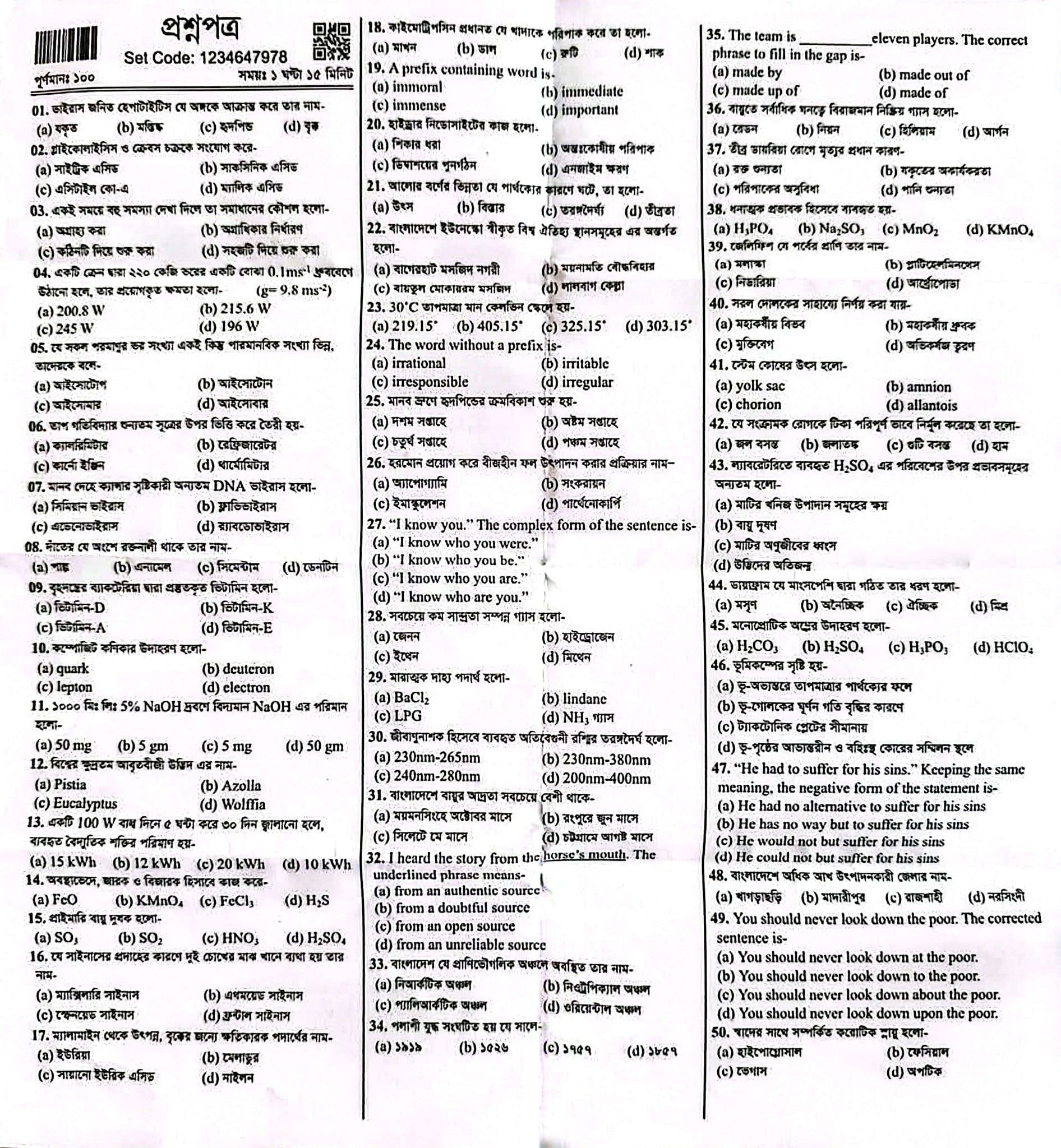
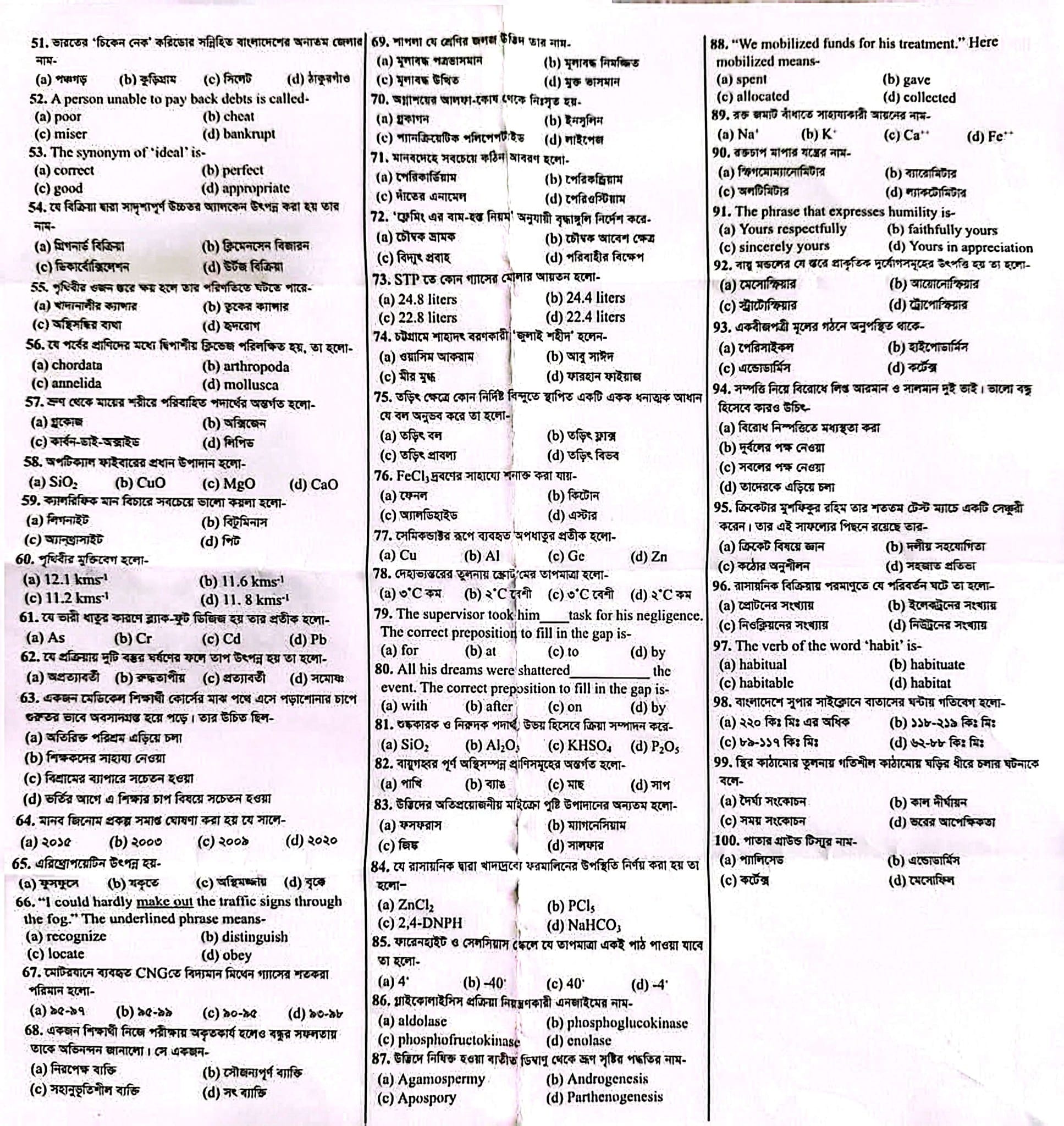
- MCQs
Daily practice. No excuses.
- Revision Cycles
- First read → messy
- Second → clearer
- Third → sticks
Don’t try to cover everything.
Try to revise what you already studied.
You’re Studying Medical in Bangladesh
Quick reality:
- Professional exams matter a lot
- Written + viva both are important
- Presentation of answers actually counts
Top students?
They practice writing answers. Not just reading.
Key Takeaways
- MBBS isn’t about effort alone
- It’s about how you study
- Active recall beats passive reading
- Revision is everything
- You will feel lost sometimes… that’s normal
FAQ
How do MBBS students memorize so much information?
Honestly… they don’t memorize everything. That’s the myth.
What they actually do is repeat and recall things so many times that it feels like memorization. Big difference.
They use:
- Active recall (testing themselves)
- Spaced repetition (coming back again and again)
So yeah, it’s less about “strong memory” and more about smart repetition. Boring answer, but true.
What is the best daily routine for an MBBS student?
There’s no perfect routine… but there is a realistic one.
Something like:
- Morning → new topics (your brain is fresher)
- Afternoon → recall + MCQs
- Evening → revision
- Night → light review or chill a bit
And please don’t try those 12-hour study routines you see online. Most people can’t sustain that. You’ll burn out in like… a week.
How do I stop forgetting what I study in MBBS?
Short answer? You’re probably not revising properly.
Long answer:
- You read once… maybe twice… then move on
- No recall, no spaced repetition
That’s why it disappears.
Try this instead:
- Study → recall same day
- Revise after 2–3 days
- Revisit after a week
It’s repetitive. A bit annoying. But it works.
Which subject is the hardest in MBBS?
Depends who you ask… but yeah, some usual suspects:
- Anatomy (too much to remember)
- Pharmacology (drug overload)
- Pathology (concept + detail mix)
The funny thing? The “hardest” subject usually becomes easier once you figure out how to study it properly.
So maybe it’s not the subject… maybe it’s the method.
Can an average student really do well in MBBS?
Yeah. Absolutely.
In fact, most “top” students aren’t some genius-level people. They’re just:
- Consistent
- Disciplined (most days, not all)
- Using better study methods
If you keep showing up and fix your study system… you’ll be fine.
Not easy. But definitely possible.
Final Thought
There will be days you feel behind.
Days you don’t understand anything.
Days you just… don’t want to study.
That’s part of it.
But if you build the right system—even slowly—you’ll get there.
Not perfectly. Not smoothly. But you will.
You can also Like and follow my Facebook Fan Page for more detailed information >> https://bdcareerinfo.com/