Health
Get the latest health trends, evidence‑based tips, and wellness resources to support your journey.
- Mar- 2026 -8 March

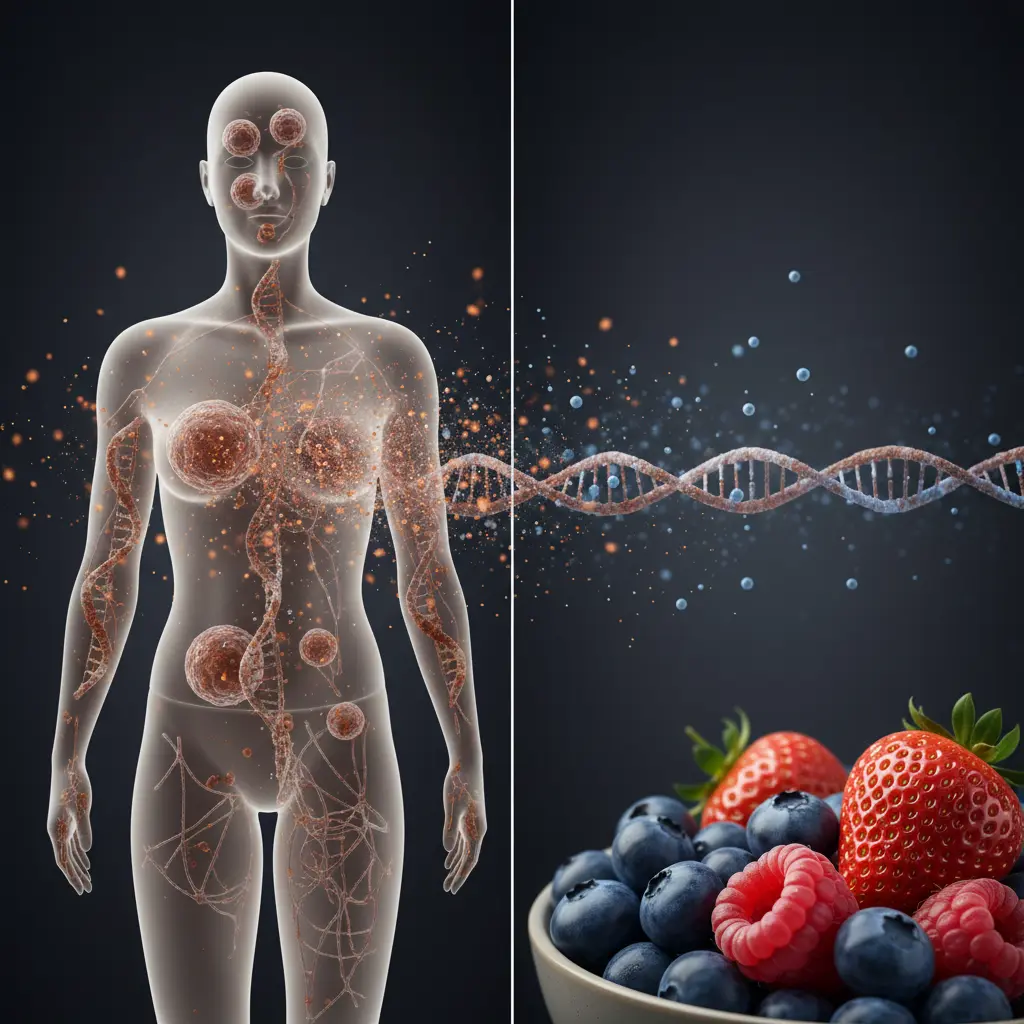
15 Foods That Naturally Help Your Body Detox
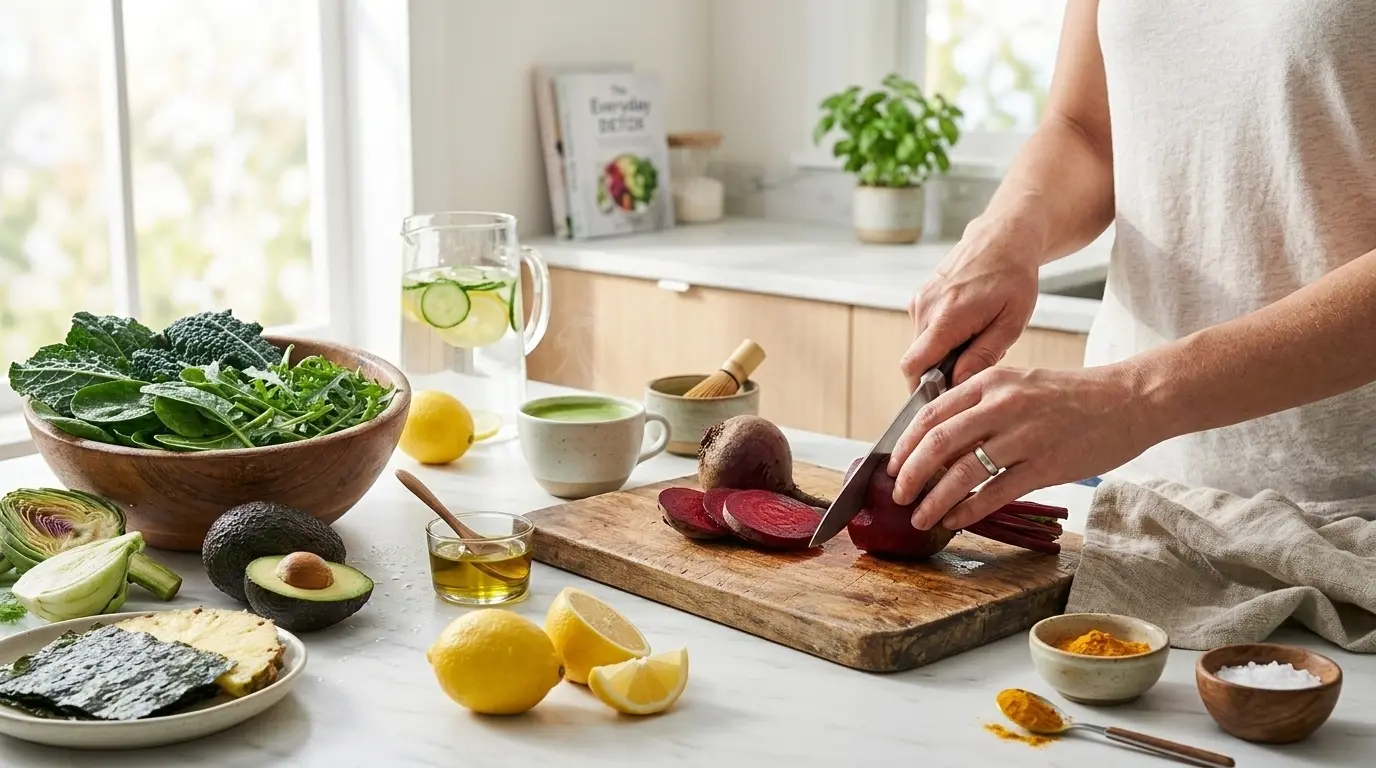
Feeling sluggish, bloated, or low on energy often pushes people to search for “detox foods.” The idea of cleansing the body through diet is popular—but modern nutrition science explains something important: Your body already detoxifies itself every day. The organs responsible for detoxification include the Liver, Kidneys, digestive system, lungs, and skin. These organs filter toxins, break down harmful compounds, and eliminate waste through urine, sweat, and stool. However, certain foods can support these natural detoxification pathways by providing antioxidants, fiber, vitamins, and beneficial plant compounds. This guide explains 15 nutrient-rich foods that help support the body’s natural detox system, along with practical ways to include them in your daily diet. Authoritative references: https://www.hsph.harvard.edu/nutritionsource/ https://www.nccih.nih.gov/health/detoxes-and-cleanses https://ods.od.nih.gov/ What Does “Detox” Actually Mean in Nutrition? In medical science, detoxification refers to the body’s biological process of neutralizing and eliminating harmful substances. The liver performs two main detoxification phases: Detox Phase What Happens Phase 1 Toxins are chemically transformed into intermediate compounds Phase 2 Compounds are converted into water-soluble substances that can be excreted According to the National Institutes of Health, nutrients like…
Read More » - Feb- 2026 -27 February

Apples vs Pears for Blood Sugar
Everyone knows the saying. An apple a day keeps the doctor away. Apples have the PR team. The slogans. The lunchbox nostalgia. Pears? They kind of sit there quietly. Softer. And it shifts in a way most people don’t expect. They’re affordable. Easy to find. Easy to eat. No superfood hype required. Which is better for constipation? What about blood sugar? Let’s break it down properly. With numbers. With context. And without turning it into a fruit popularity contest. Do Apples Have More Antioxidants? Apples are particularly rich in: Quercetin Chlorogenic acid Catechins These compounds have been studied in clinical nutrition research for anti-inflammatory and cardiometabolic benefits. Pears contain flavonoids and arbutin, but apples have more extensive antioxidant research behind them. If your focus is polyphenol diversity, apples have a slight scientific edge. Apples vs Pears: Which Has More Fiber? Quick Answer (Featured Snippet Format) In a 140-gram serving: Apple: ~2.38 grams of fiber Pear: ~4.34 grams of fiber (Source data: USDA FoodData Central — https://fdc.nal.usda.gov) The Dietary Guidelines for Americans recommend: Women: ~25 grams per day Men: ~38 grams…
Read More » - 17 February

Eat These 3 Fruits for Long-Term Health
Food isn’t like magic pills. Food isn’t medicine; you swallow once and boom. It is safe for life. It nudges risk downward, over time, when your whole diet and lifestyle back it up. And yes — science backs this. Not some random blog talk. Real journals, real data. I’ll link sources you can click through. Why People Are Talking About Antioxidants Ever heard someone say “eat antioxidants”? It sounds kinda vague, right? Let’s cut through the fluff. Antioxidants = molecules that fight oxidative stress. Oxidative stress is like tiny rust inside your cells. Too much rust = damage. Over years, that damage ties to cancer, heart disease, dementia, aging faster, etc. Your body makes some antioxidants. But food gives you a boatload more. Authority check: National Institutes of Health overview on oxidative stress and antioxidants https://ods.od.nih.gov/factsheets/Antioxidants‑HealthProfessional/ Free Radicals & Oxidative Stress Picture this: Think of your body like a bustling city. Your cells? They’re the cars, keeping traffic flowing. Free radicals? They’re the reckless scooters weaving through the streets. They do have a purpose — like helping your immune system…
Read More » - 6 February

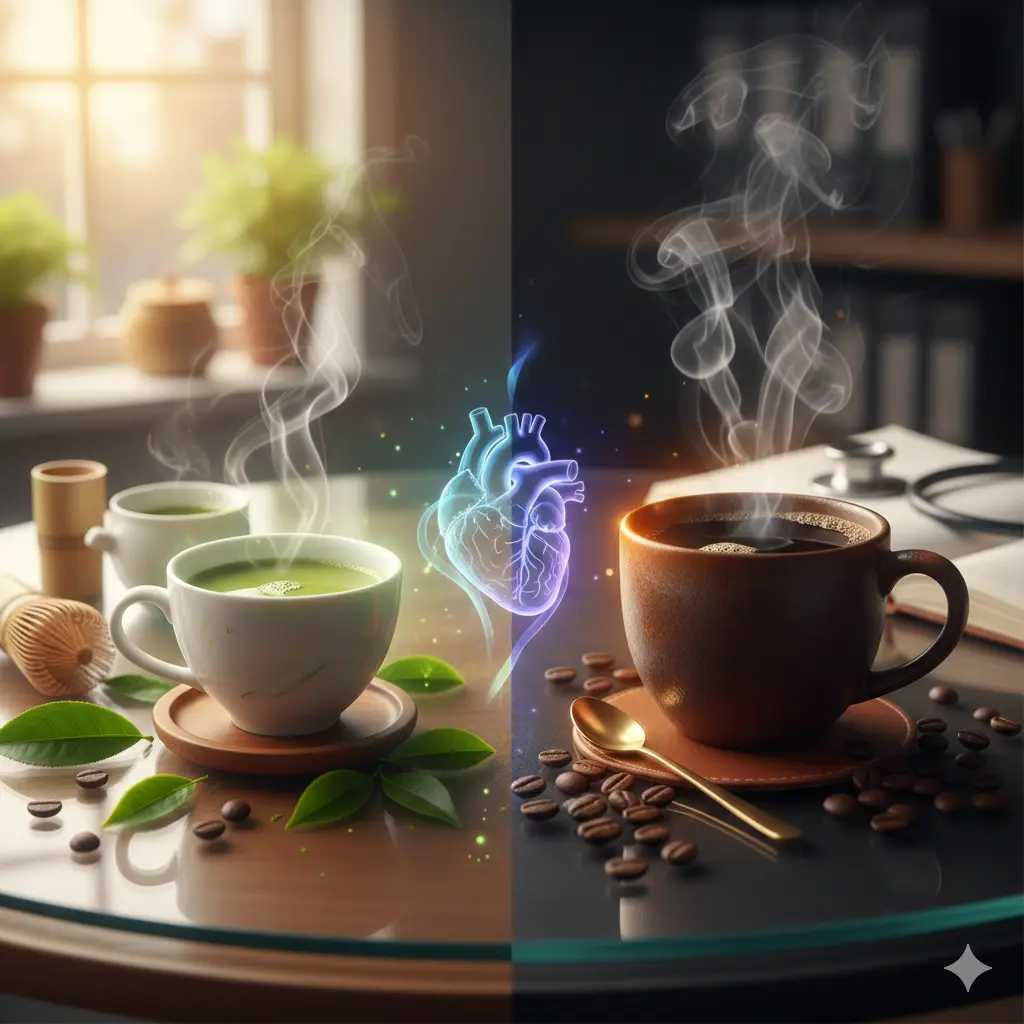
Doctors Compare Coffee and Green Tea Effects
I’ll start with a small confession. I don’t drink coffee. Not because I’m trying to be that person. Not because I read one scary headline in 2014 and panicked. I just… don’t like it. Never have. The smell? Fine. Cozy, even. The taste? Nope. Bitter, sharp, kind of aggressive. Green tea, though? That’s my thing. Warm. Calm. A little grassy. Sometimes I add honey. Sometimes lemon. Sometimes nothing at all. And every single time I order it at breakfast, someone asks if I’m “cutting back on caffeine” or “on a health kick.” Which brings us to the big question people keep asking — and Googling. Is green tea actually healthier than coffee? Or is that just one of those wellness myths that refuses to die? Let’s talk about it. Honestly. Without pretending the answer is neat. Why This Green Tea vs. Coffee Debate Even Exists Part of the reason this argument won’t go away is simple: both drinks are genuinely good for you. They’ve been around forever. They’re studied constantly. And depending on the week, one of them is always…
Read More » - Jan- 2026 -31 January

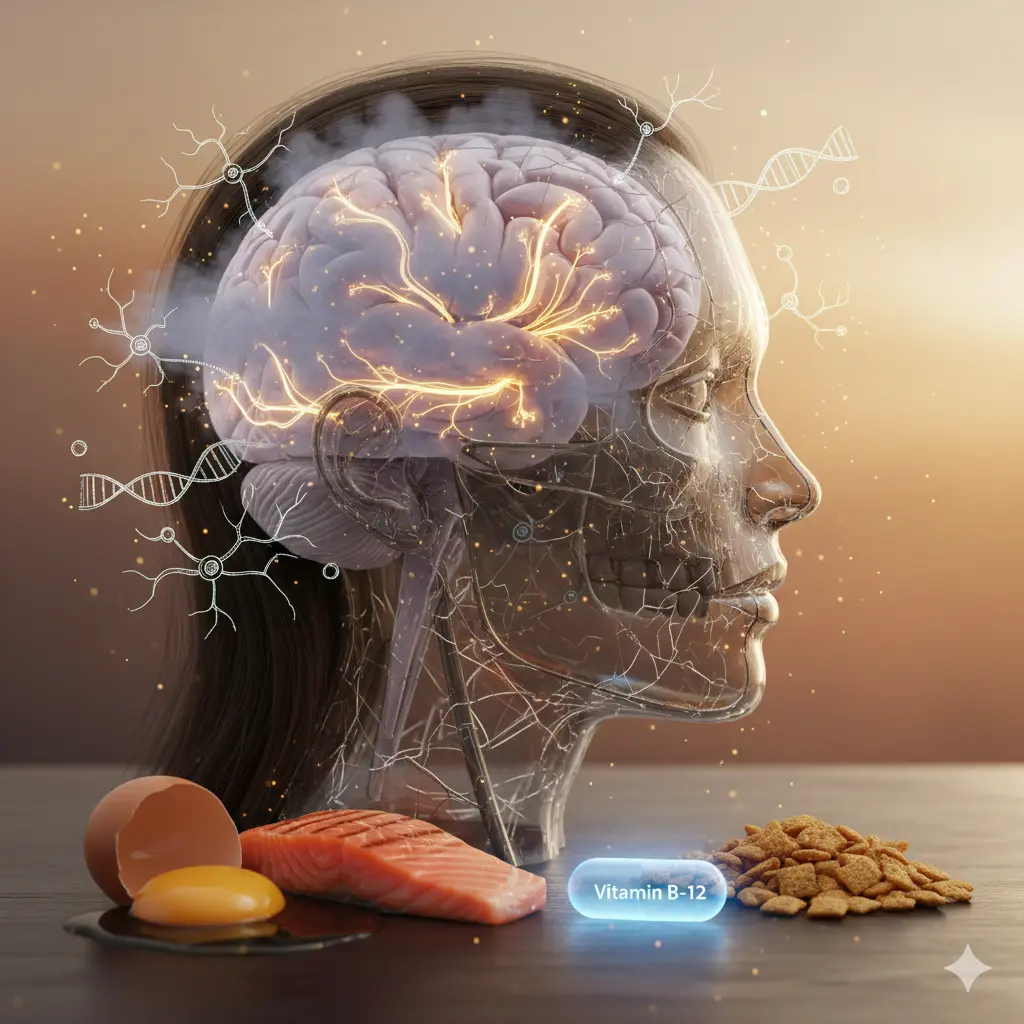
Vitamin B‑12: Your Brain’s Silent Hero
Okay, so let’s talk about something almost nobody talks about — but honestly, probably should: Vitamin B‑12. Yeah, that weird little nutrient hiding out in eggs, fish, and fortified cereal that somehow stops your brain from… well, turning into mush. Seriously. You don’t notice it until you do — and then suddenly, your thoughts are all fuzzy, your memory’s playing tricks on you, and you’re wondering if you left your brain back in bed. If you’ve been feeling kind of… foggy? Or like you can’t remember where you put your keys for the third time today… Maybe it’s not just stress, too much coffee, or that endless Netflix binge. Maybe — just maybe — it’s your B‑12 running low. And trust me, it happens way more than people think. Brain Sluggish? Check Your B‑12 Levels Now Fatigue that won’t quit Brain fog — like someone stuffed your thoughts in a pillow Memory lapses (“Wait… what was I saying?”) Tingling in hands or feet Mood swings or depression Trouble balancing like a newborn giraffe Sometimes anemia shows up, but sometimes it…
Read More » - 29 January

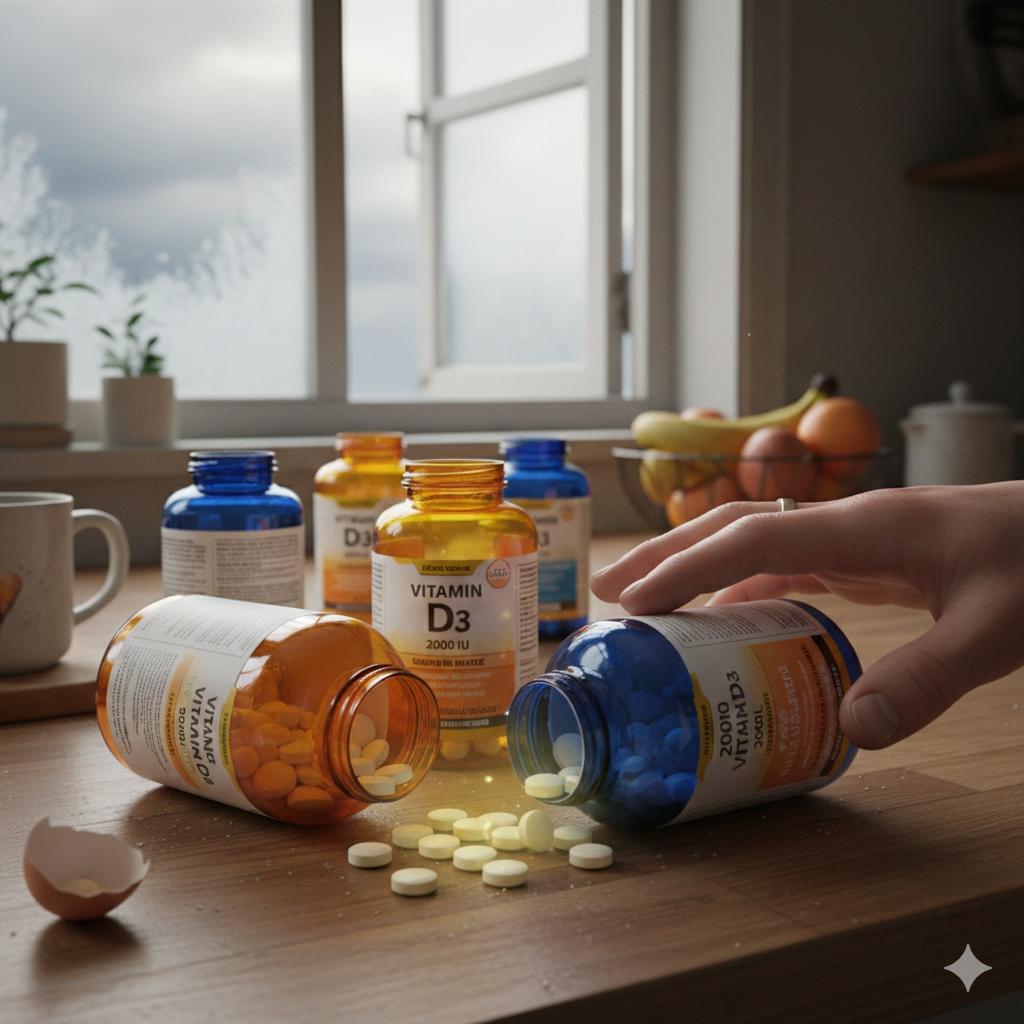
Vitamin D Overdose Could Be Harming
Vitamin D has quietly become one of those supplements people take on autopilot. Winter rolls in, the sun more or less vanishes, someone on TV says “everyone should be taking it,” and suddenly half the country is knocking back tiny tablets every morning with their coffee. No questions asked. Seems harmless enough, right? Well… mostly. But not always. Dr Zoe Williams — an NHS GP and a familiar face on ITV’s This Morning — recently raised a red flag that’s actually worth pausing for. Not in a panic, throw-your-supplements-away kind of way. More like a calm, sensible “hang on a second, let’s read the label” moment. Because yes, vitamin D matters. It really does. But yes, you can take too much of it. Vitamin D Overdose Could Be Harming And honestly? More people probably are than they realise. Strong bones Teeth that don’t crumble Muscles that actually work When your body doesn’t get enough vitamin D, calcium just… doesn’t get absorbed properly. At first, you probably won’t notice a thing. No warning signs. No flashing neon alerts. But over time?…
Read More » - 26 January

Grapes May Help Prevent Heart Attacks
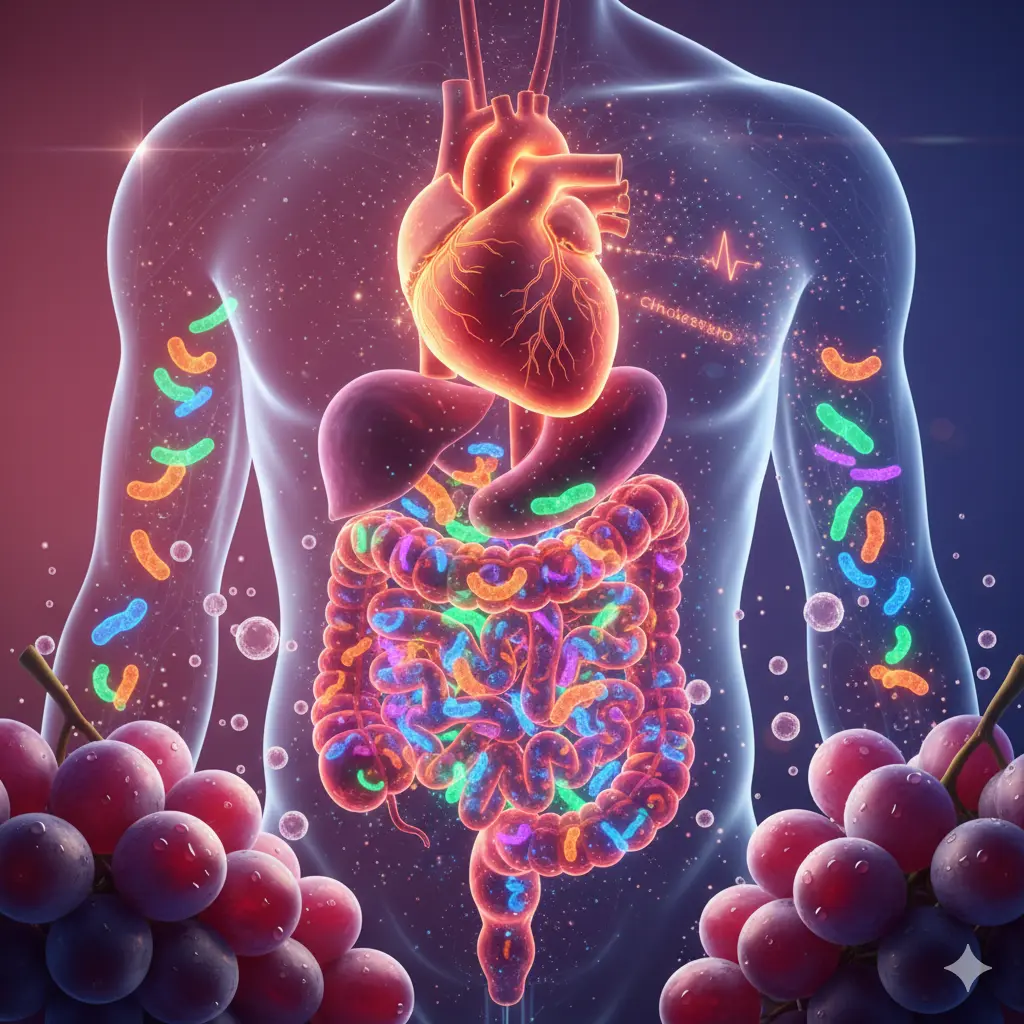
Yeah, It Sounds Too Simple — But the Science Is Weirdly Convincing Let’s be honest for a second. When you hear a headline like “Common fruit flushes out fat and sugar and cuts heart attack risk,” your first reaction is probably an eye roll. Because we’ve all been here before. One week, it’s blueberries. Then it’s dark chocolate. Then red wine (sadly… still no). But grapes? Grapes May Help Prevent Heart Attacks Just… regular grapes you toss in your cart without thinking? Turns out, yeah. They might actually be doing something. And not in a vague “antioxidants are good” way either. Real mechanisms. Real human data. Some animal studies, too, sure. But enough signals that nutrition researchers are paying attention. Let’s talk about what’s really going on here, because grapes are good for Health Why Are Scientists So Suddenly Interested in Grapes? Part of it comes down to the gut. Everything does these days. Your gut microbiome — the trillions of bacteria living inside you — isn’t just about digestion anymore. It’s involved in cholesterol levels, inflammation, blood sugar control,…
Read More » - 23 January

This Vegetable Beats All Others for Nutrition
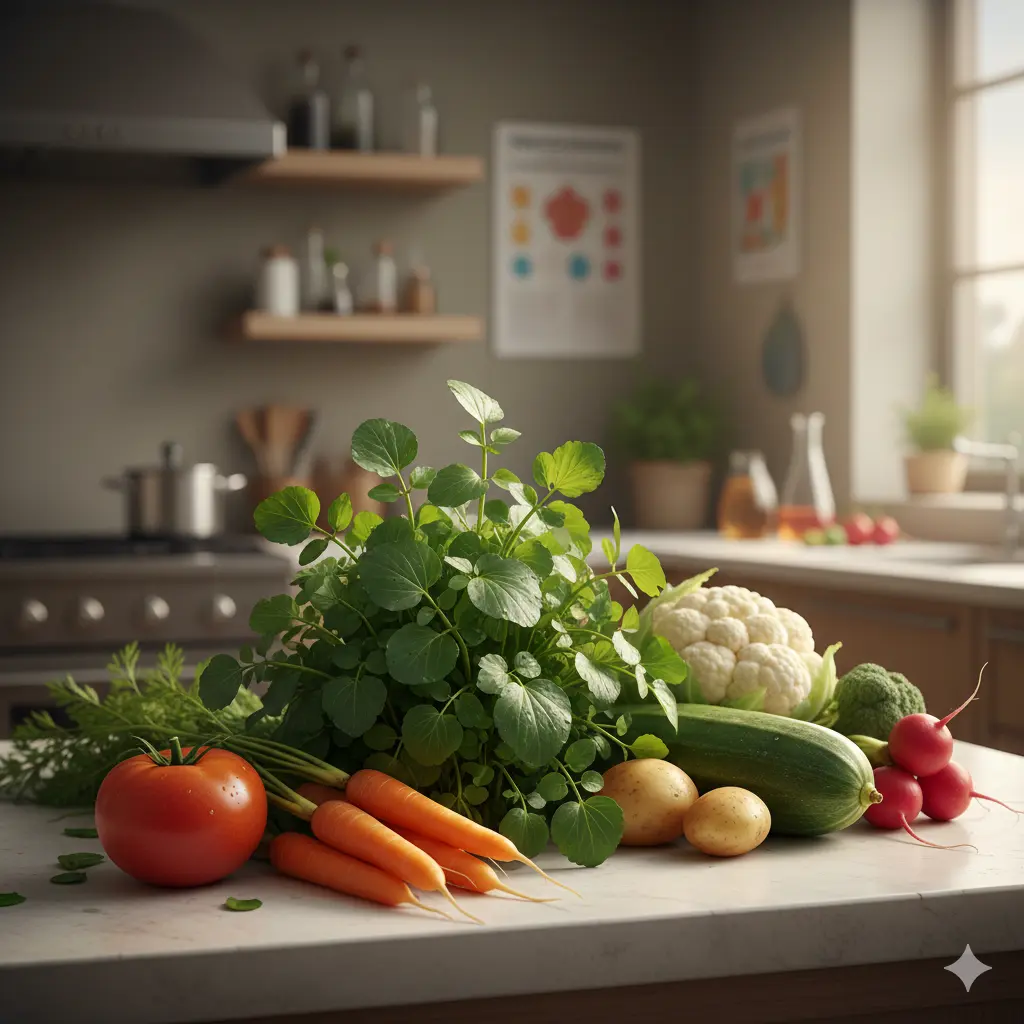
Eating a healthy diet is one of the most effective ways to support long-term health, yet many people struggle to identify which foods truly deliver the biggest nutritional return. When scientists evaluate foods using nutrient density—the amount of essential nutrients per calorie—one leafy green consistently rises to the top: watercress. Backed by CDC-supported research, watercress ranks as the most nutrient-dense vegetable ever analyzed. Beyond vitamins and minerals, it also contains powerful plant compounds that researchers associate with cancer risk reduction, heart health, and metabolic support. But can watercress really help prevent cancer? And how strong is the science? This expert-backed guide breaks down what research actually shows, how watercress works in the body, and how to use it safely and effectively. What Makes Watercress the Most Nutritious Vegetable? How Nutrient Density Is Measured Nutrient density compares how many essential nutrients a food delivers relative to its calorie content. Foods that score high provide maximum nutrition with minimal calories, making them especially valuable for disease prevention and overall health. A landmark CDC-sponsored study published in Preventing Chronic Disease analyzed 17 essential…
Read More » - 23 January

This Pantry Nut May Protect Your Brain and Heart
Healthy aging isn’t about finding a miracle food or reversing time. It’s about reducing disease risk, protecting cognitive and heart health, maintaining mobility, and preserving quality of life as you get older. According to registered dietitians and long-term population studies, walnuts stand out among nuts for their unique role in supporting these goals. Below, we break down what the science actually says, how walnuts compare to other nuts, how often you should eat them, and how to use them strategically for long-term health. What Does “Healthy Aging” Mean From a Medical Perspective? Healthy aging is not defined by appearance alone. In nutrition and aging research, it typically refers to maintaining: Good cardiovascular health Preserved cognitive function Metabolic stability (blood sugar, cholesterol) Physical independence Absence of major chronic diseases Large cohort studies often classify “healthy agers” as individuals who reach older age without significant physical disability, cognitive decline, or major chronic illness. This definition is important—because walnuts have been studied specifically against these criteria. Why Are Walnuts Considered the Best Nut for Healthy Aging? Walnuts are nutritionally distinct from other nuts…
Read More » - 21 January

Breakfast for Dinner Ideas Your Family Will Love
Short answer: Breakfast for dinner—often called brinner—is one of the most practical, affordable, and family-approved ways to solve the daily “what’s for dinner?” dilemma. Between work, school, errands, and family responsibilities, dinner planning often becomes the most exhausting decision of the day. Even experienced home cooks eventually hit creative burnout. When that happens, one solution consistently works: flipping the day upside down and serving breakfast foods at dinnertime. This article explains why breakfast for dinner works, how to do it well, and which recipes deliver the biggest payoff with the least effort, all backed by culinary logic, nutrition considerations, and expert-tested tips. Breakfast for Dinner Ideas Your Family Will Love Why Is Breakfast for Dinner So Popular With Families? Breakfast foods check nearly every box busy households care about. Key Reasons Brinner Works Familiar flavors kids and adults already love Shorter cooking times than many traditional dinners Lower ingredient costs compared to meat-heavy meals Flexible formats (skillet, slow cooker, oven, or make-ahead) Psychologically, breakfast foods also feel comforting and low-pressure. Eggs, potatoes, and cheese don’t carry the same expectations as…
Read More »