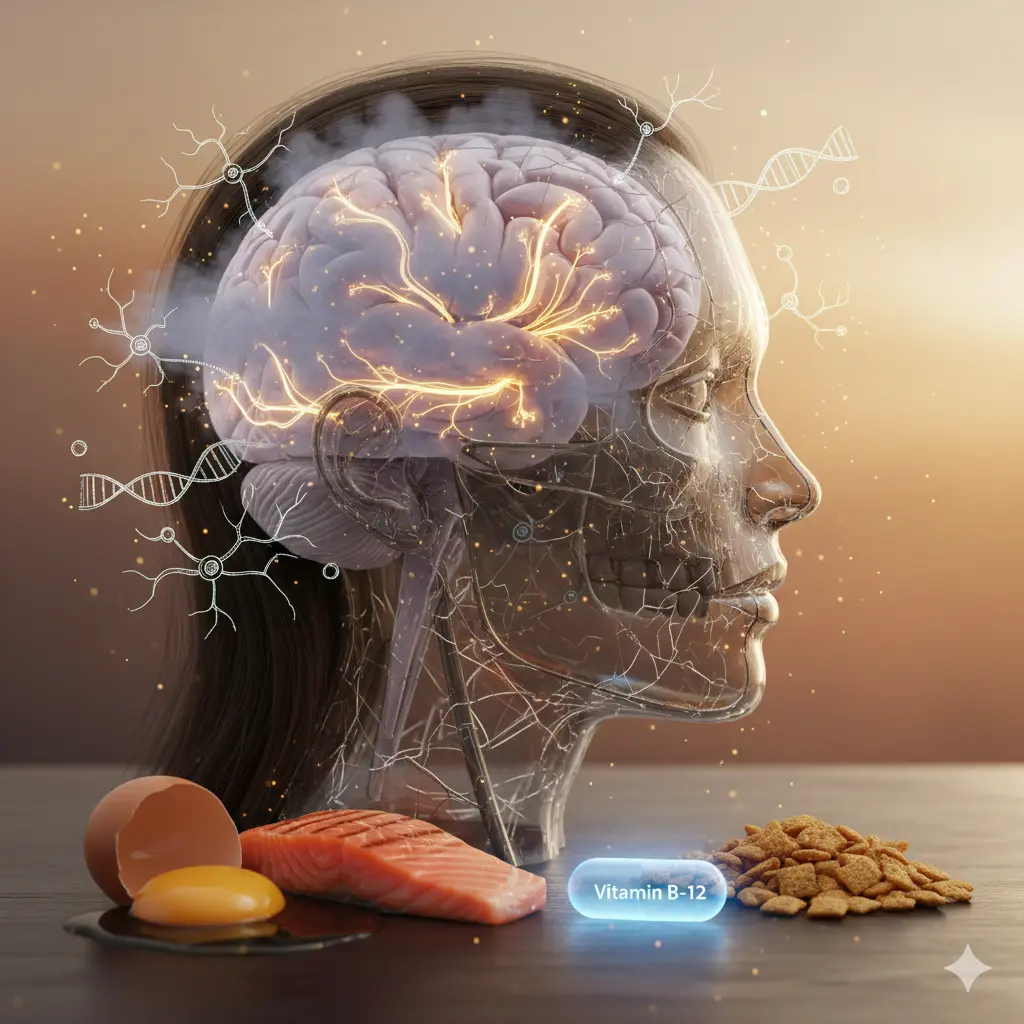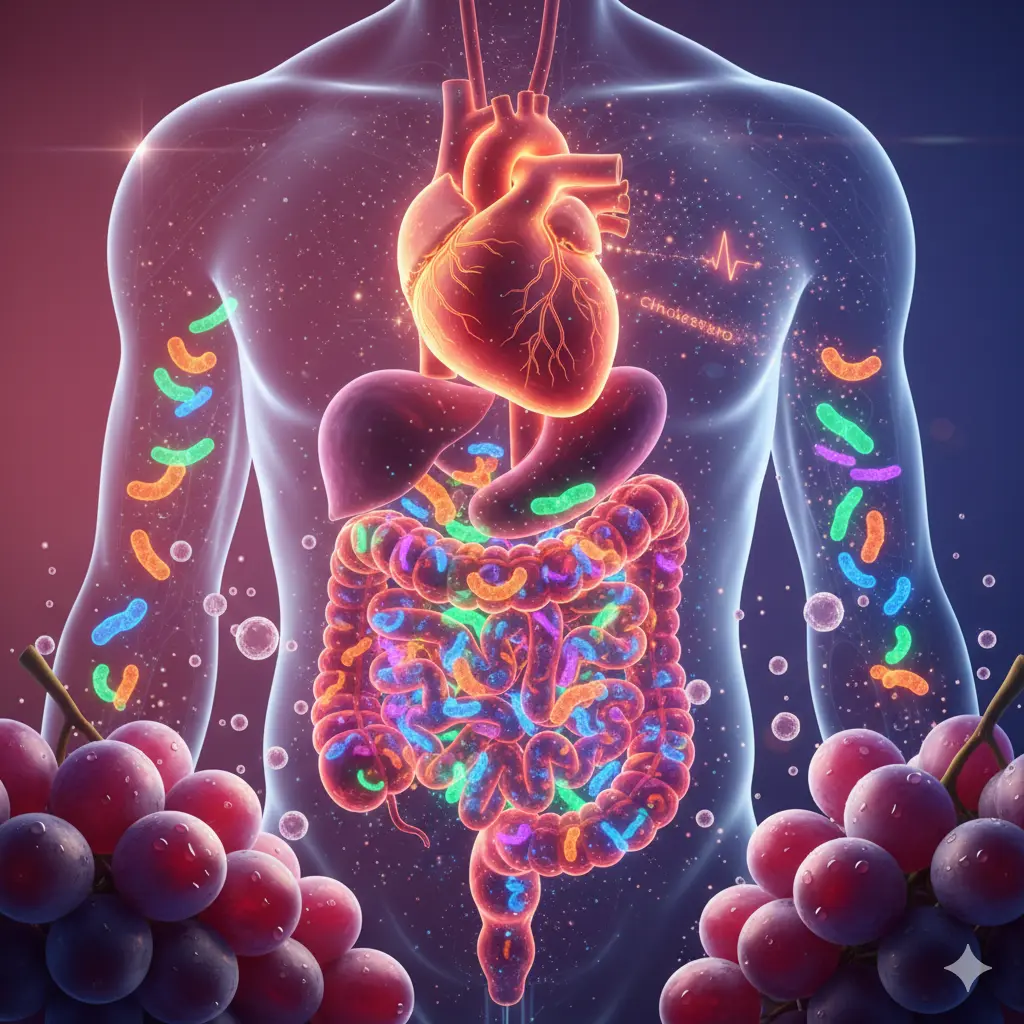
Feeling sluggish, bloated, or low on energy often pushes people to search for “detox foods.” The idea of cleansing the body through diet is popular—but modern nutrition science explains something important: Your body already detoxifies itself every day. The organs responsible for detoxification include the Liver, Kidneys, digestive system, lungs, and skin. These organs filter toxins, break down harmful compounds, and eliminate waste through urine, sweat, and stool.
However, certain foods can support these natural detoxification pathways by providing antioxidants, fiber, vitamins, and beneficial plant compounds.
This guide explains 15 nutrient-rich foods that help support the body’s natural detox system, along with practical ways to include them in your daily diet.

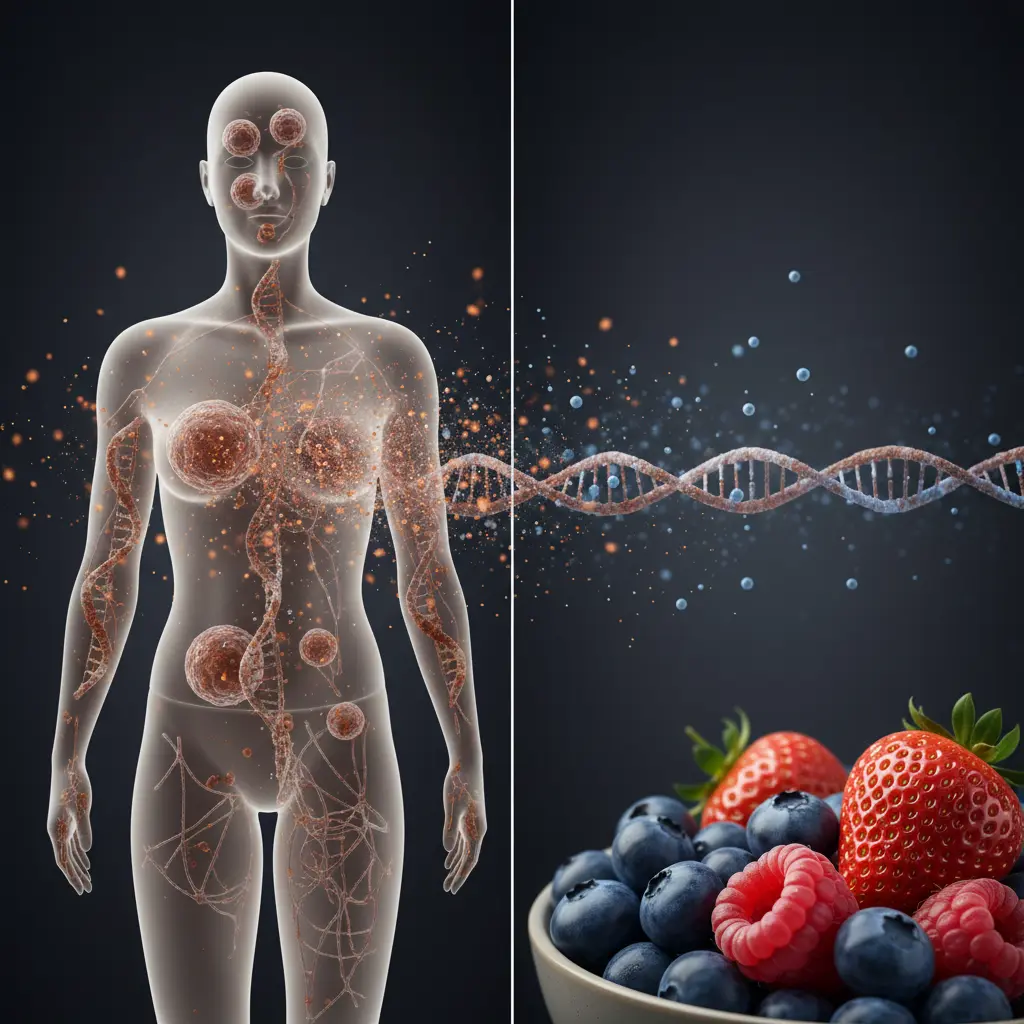

Authoritative references:
https://www.hsph.harvard.edu/nutritionsource/
https://www.nccih.nih.gov/health/detoxes-and-cleanses
https://ods.od.nih.gov/
What Does “Detox” Actually Mean in Nutrition?
In medical science, detoxification refers to the body’s biological process of neutralizing and eliminating harmful substances.
The liver performs two main detoxification phases:
Detox Phase | What Happens |
Phase 1 | Toxins are chemically transformed into intermediate compounds |
Phase 2 | Compounds are converted into water-soluble substances that can be excreted |
According to the National Institutes of Health, nutrients like antioxidants, amino acids, and fiber help support these metabolic processes.
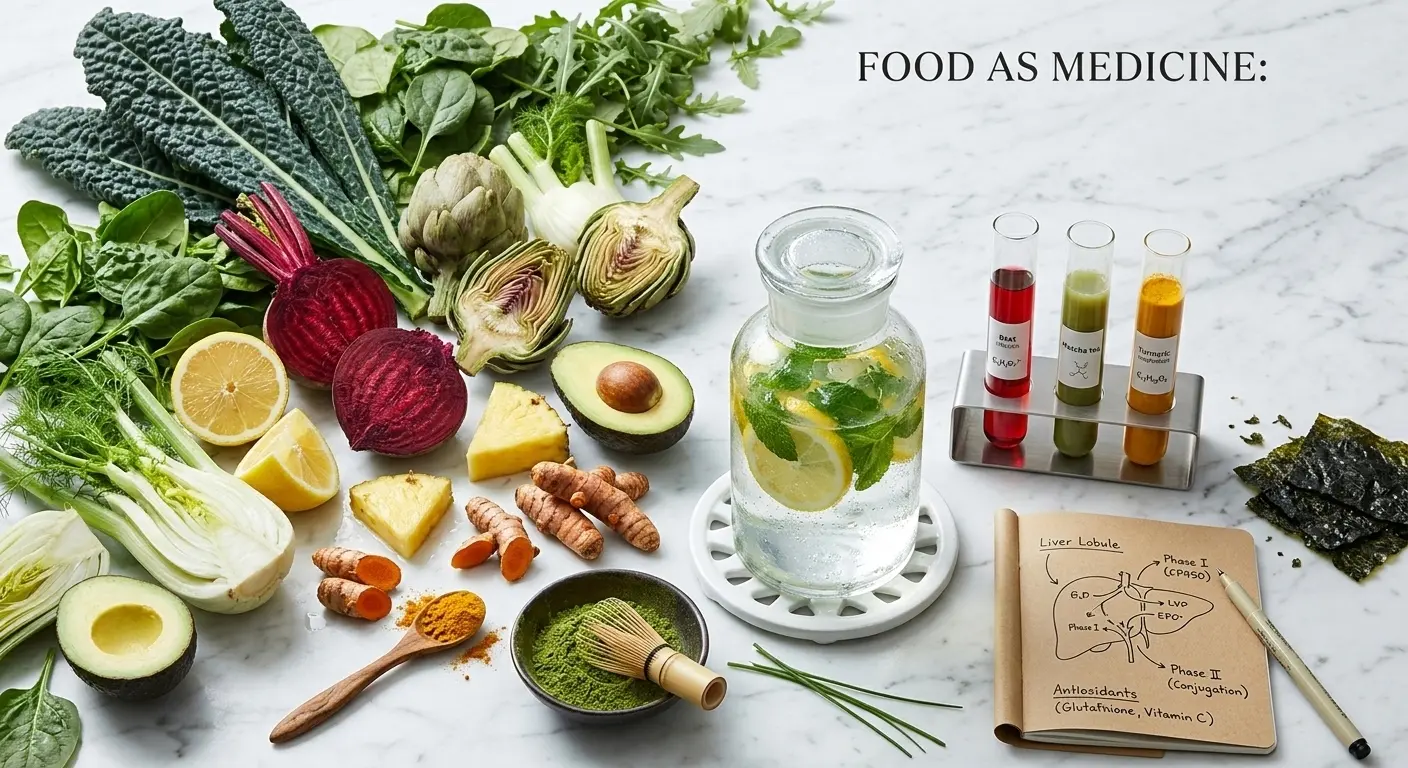
In simple terms:
Healthy foods help your organs detox more efficiently—but they do not “cleanse toxins” by themselves.
Which Organs Detox Your Body?
Understanding the detox system helps clarify why diet matters.
Organ | Role in Detoxification |
Liver | Breaks down toxins and metabolizes chemicals |
Kidneys | Filter waste from blood and produce urine |
Digestive system | Eliminates waste and harmful substances |
Lungs | Remove carbon dioxide and airborne toxins |
Skin | Releases small amounts of toxins through sweat |
Maintaining these organs through nutrition and lifestyle habits is the real goal of detox support.
15 Foods That Support Natural Detoxification
Below are nutrient-dense foods widely studied for their role in supporting detox pathways.
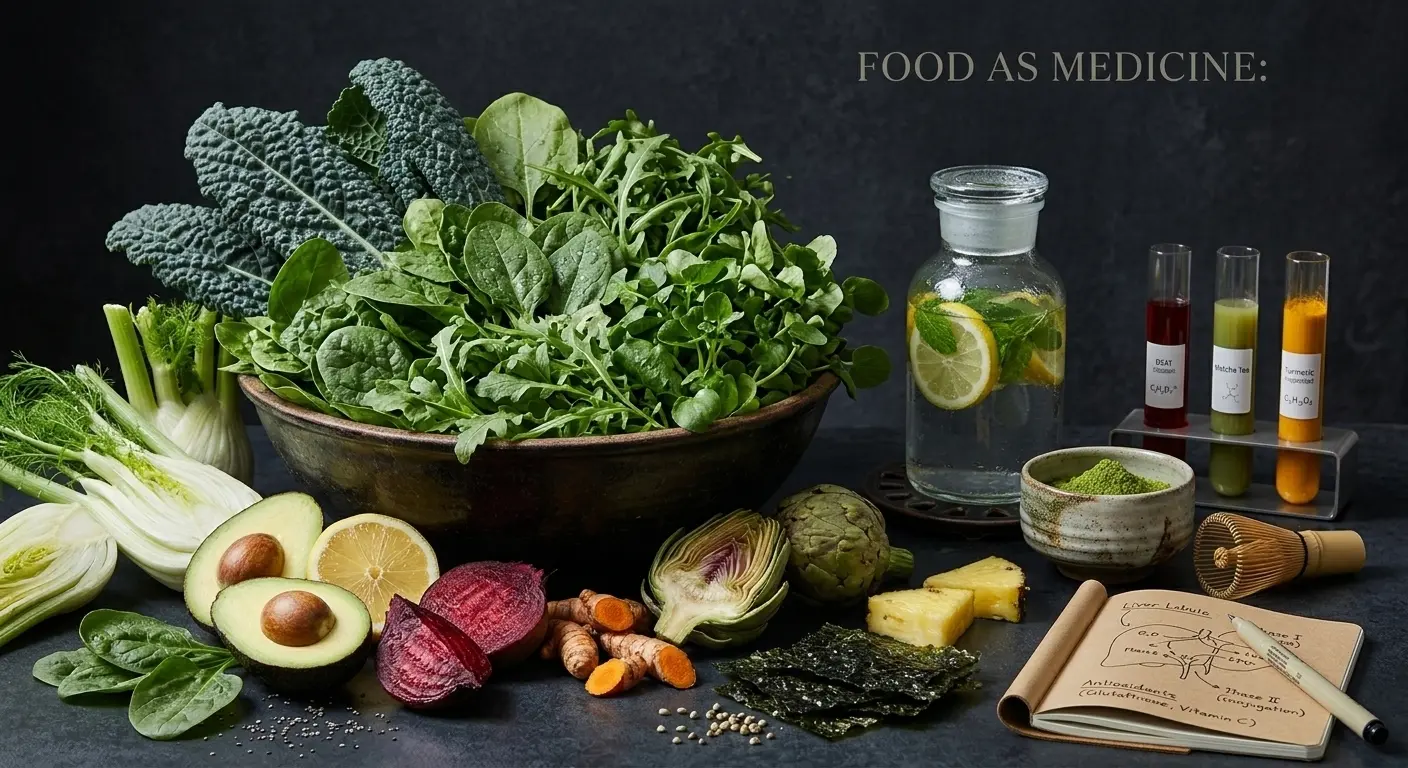
1. Bitter Leafy Greens
Examples include:
- Kale
- Arugula
- Mustard greens
- Watercress
- Dandelion greens
These greens contain chlorophyll, antioxidants, and fiber that support liver function and digestion.
Key benefits
- Stimulate bile production
- Support gut health
- Provide detox-supporting nutrients
2. Lemon Water
Starting your morning with lemon water is a simple way to improve hydration.
Benefits include:
- Vitamin C intake
- Improved digestion
- Better hydration for kidney function
According to the Mayo Clinic, proper hydration supports the kidneys in filtering metabolic waste.
3. Milk Thistle
Milk thistle contains silymarin, a plant compound studied for its protective effects on liver cells.
Potential benefits:
- Supports liver enzyme activity
- Helps protect liver cells from oxidative stress
Research reference:
https://www.ncbi.nlm.nih.gov/books/NBK548561/
4. Bone Broth
Bone broth provides amino acids, including:
- glycine
- proline
- glutamine
These compounds help support gut integrity and immune function, which are essential for healthy detox pathways.
5. Water
Hydration is one of the most effective detox supports.
Water helps:
- kidneys remove waste
- digestion move smoothly
- toxins leave through urine
Recommended Water Intake
Body Weight | Daily Water Intake |
120 lbs | ~60 oz |
150 lbs | ~75 oz |
180 lbs | ~90 oz |
- Matcha Green Tea
Matcha is rich in antioxidants called catechins, particularly EGCG (epigallocatechin gallate).
Research suggests EGCG may:
- reduce oxidative stress
- support metabolism
- protect cells
Reference:
https://ods.od.nih.gov/factsheets/GreenTea-HealthProfessional/
7. Beets
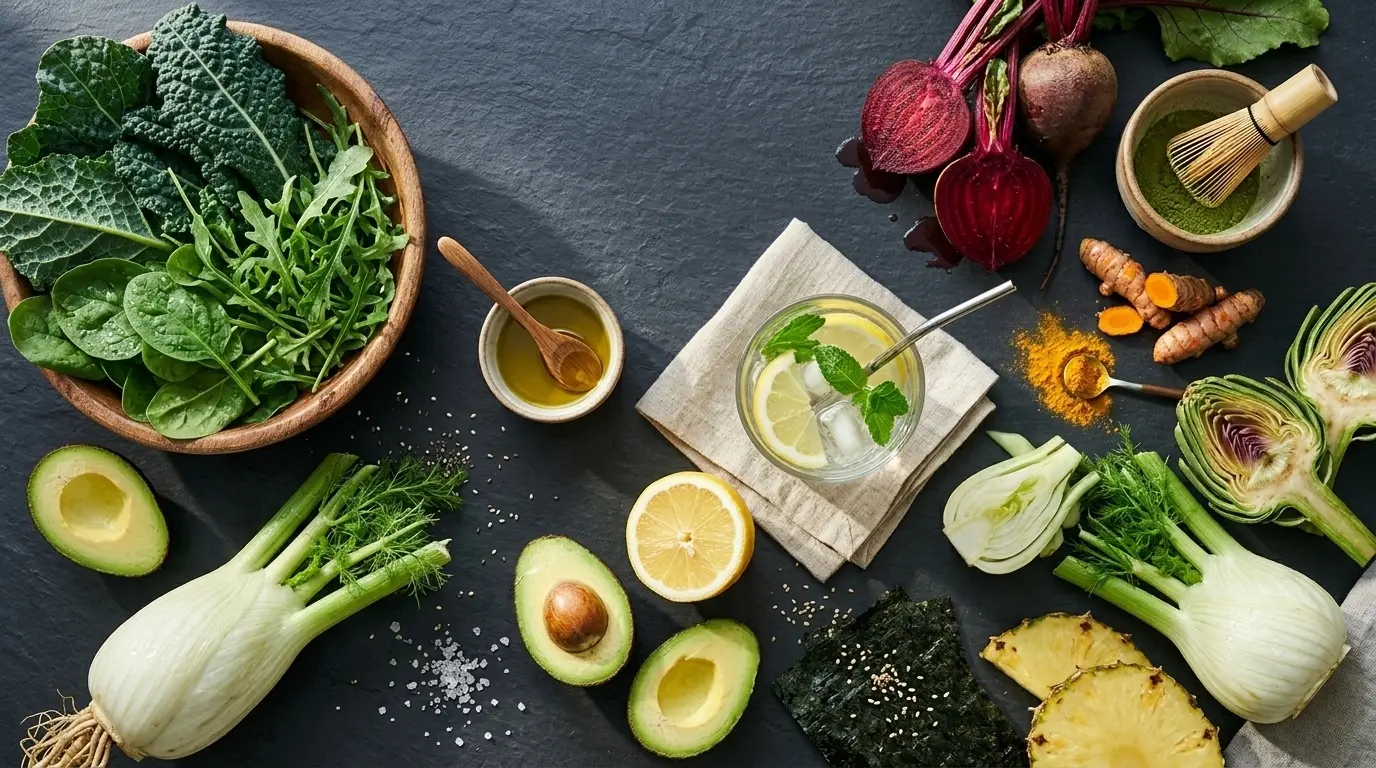
Beets contain antioxidants known as betalains, which support liver detox enzymes.
They also provide nitrates that improve circulation.
Ways to eat beets:
- roasted salads
- beet juice
- blended smoothies
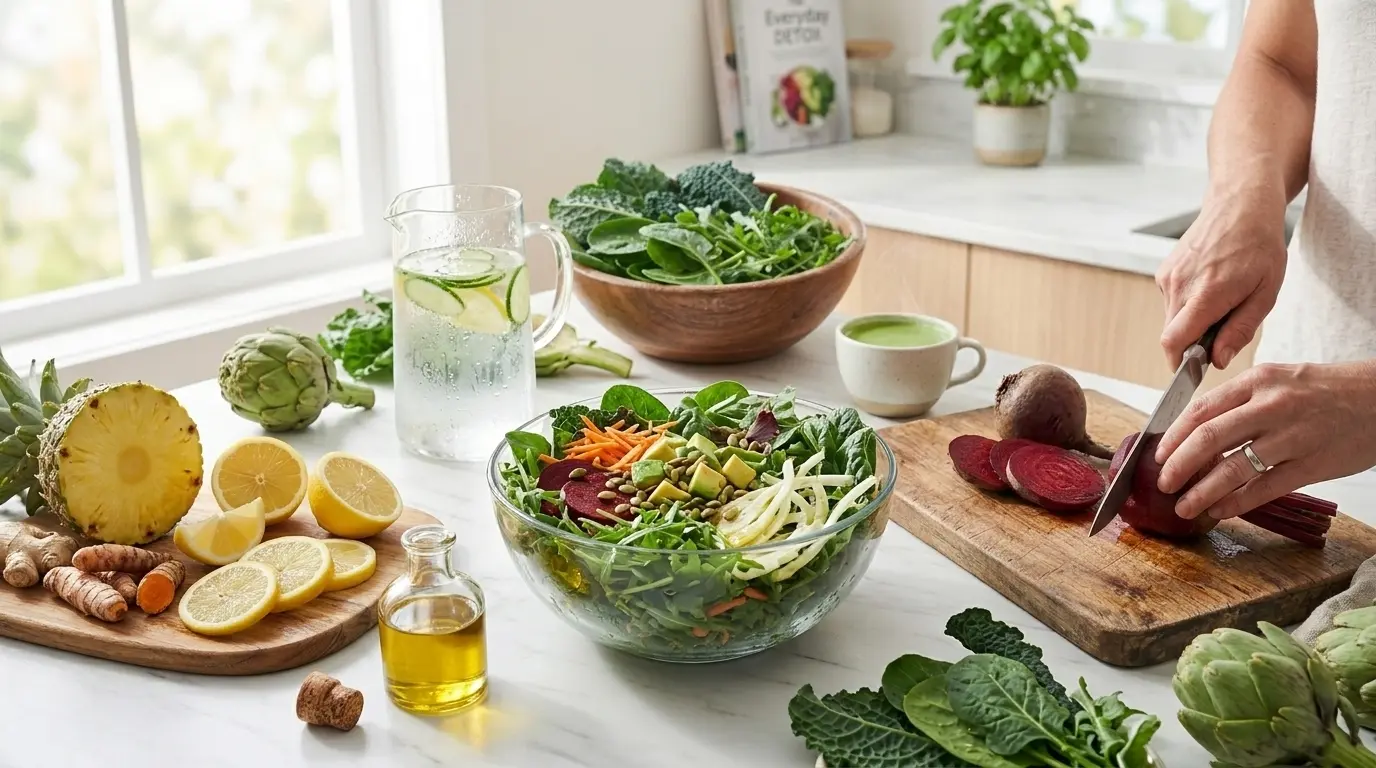
8. Large Green Salads
A large salad filled with leafy greens delivers:
- fiber
- vitamins
- antioxidants
Example detox salad ingredients:
- spinach
- kale
- arugula
- olive oil
- lemon juice
- seeds or nuts
Fiber helps move toxins through the digestive system efficiently.
9. Vegetable-Heavy Meals
Nutrition experts recommend filling half your plate with vegetables.
Healthy plate guideline:
Food Category | Portion |
Vegetables | 50% |
Whole grains | 25% |
Protein | 25% |
Vegetables provide fiber and antioxidants that support detox pathways.
10. Seaweed
Sea vegetables such as:
- nori
- wakame
- kombu
- dulse
are rich in iodine, antioxidants, and polyphenols.
They may support metabolic health and thyroid function.
11. Turmeric
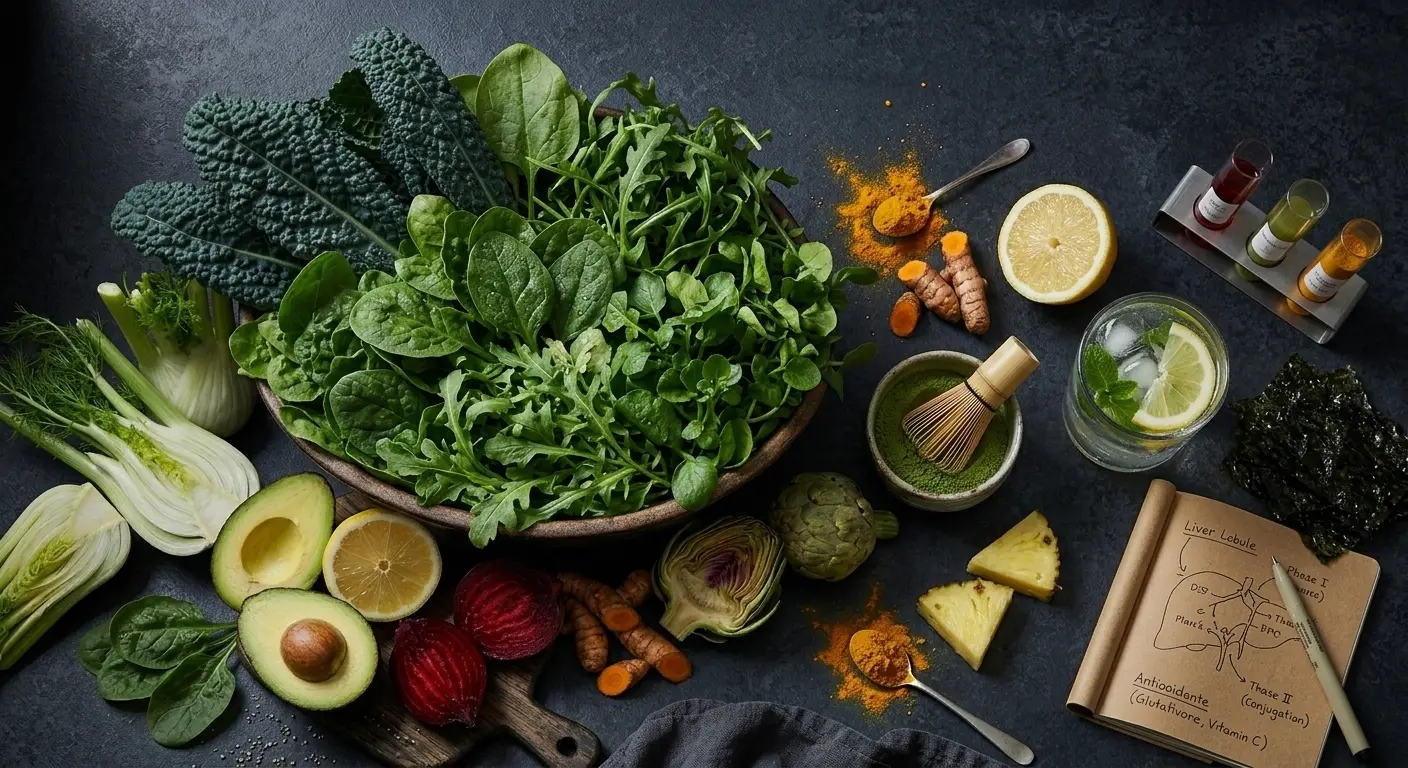
Turmeric contains curcumin, a powerful anti-inflammatory compound.
Studies suggest curcumin may support:
- liver health
- inflammation control
- digestive function
Research reference:
https://www.ncbi.nlm.nih.gov/pmc/articles/PMC5664031/
12. Avocados
Avocados are rich in glutathione, a key antioxidant used by the liver during detoxification.
Benefits include:
- supporting liver enzymes
- reducing oxidative stress
- providing healthy fats
13. Artichokes
Artichokes support bile production, which helps digest fats and eliminate waste.
They also provide:
- vitamin C
- antioxidants
- about 10 grams of fiber per serving
14. Pineapple
Pineapple contains the enzyme bromelain, which helps break down proteins and support digestion.
Potential benefits:
- improved digestion
- anti-inflammatory properties
- immune support
15. Fennel
Fennel is traditionally used to support digestion.
It contains:
- vitamin C
- flavonoids
- antimicrobial compounds
It may help reduce bloating and digestive discomfort.
Expert Checklist: How to Support Your Body’s Detox System
Use this checklist to improve your detox support naturally.
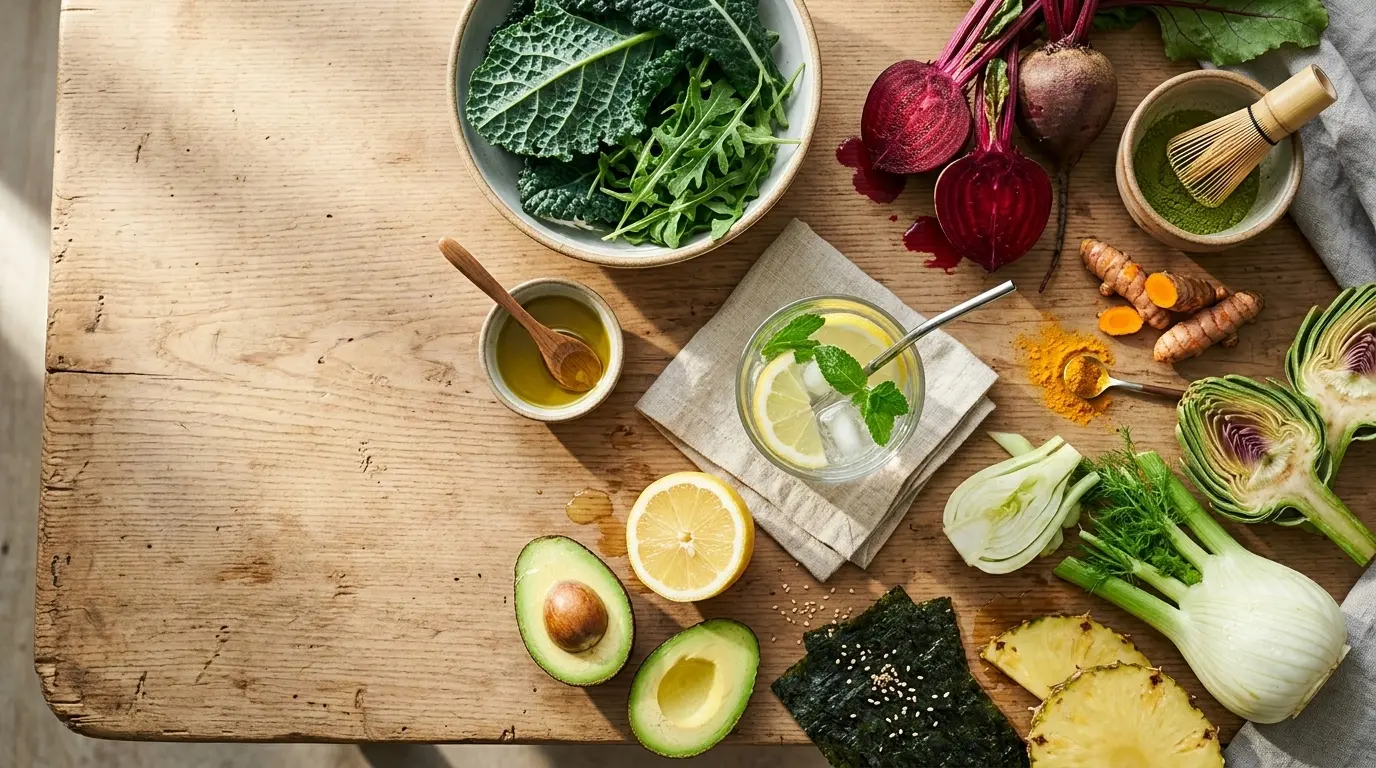
✔ Eat leafy greens daily
✔ Drink adequate water
✔ Add anti-inflammatory spices like turmeric
✔ Consume fiber-rich foods
✔ Limit processed foods and excess sugar
✔ Exercise regularly
✔ Sleep 7–9 hours per night
Healthy lifestyle habits are the most effective way to support detoxification.
Sample 1-Day Detox-Support Meal Plan
Meal | Example |
Breakfast | Matcha tea + avocado toast |
Lunch | Kale and beet salad with olive oil |
Snack | Pineapple and fennel slices |
Dinner | Vegetable stir-fry with seaweed |
This type of balanced diet provides antioxidants, fiber, and healthy fats.
Common Detox Myths Explained
Myth | Scientific Reality |
Detox teas remove toxins | The liver and kidneys remove toxins |
Juice cleanses detox the body | Short juice cleanses lack sufficient nutrients |
Sweating eliminates toxins | Only small amounts leave through sweat |
According to the Cleveland Clinic, extreme detox diets are usually unnecessary and may cause nutrient deficiencies.
Reference:
https://health.clevelandclinic.org/do-detox-diets-work/
Frequently Asked Questions
Do detox foods actually remove toxins?
No single food removes toxins. Instead, nutrient-rich foods support organs like the liver and kidneys that perform detoxification naturally.
How long does it take to detox the body?
Your body detoxifies continuously. Positive effects from improved diet and hydration can appear within days or weeks.
What foods help the liver detox?
Foods commonly associated with liver support include:
- leafy greens
- beets
- turmeric
- avocados
- artichokes
These foods contain antioxidants and nutrients that support liver enzymes.
Are detox diets safe?
Many restrictive detox diets can lead to nutrient deficiencies. Health experts generally recommend balanced, whole-food diets instead of extreme cleanses.
What foods should be avoided during a detox?
To support natural detox processes, limit:
- alcohol
- sugary drinks
- ultra-processed foods
- excessive refined carbohydrates
The Bottom Line
The concept of detox foods is often misunderstood. Your body already has a sophisticated detox system led by the liver and kidneys.
However, eating nutrient-dense foods such as leafy greens, fruits, vegetables, healthy fats, and herbs, along with adequate hydration, helps these organs function efficiently.
Instead of extreme detox programs, focus on consistent healthy habits and a balanced diet to support your body’s natural detoxification system every day.